








Why a Photography Camp Can Transform a Teenager’s Growth
Why a Photography Camp Can Transform a Teenager’s Growth
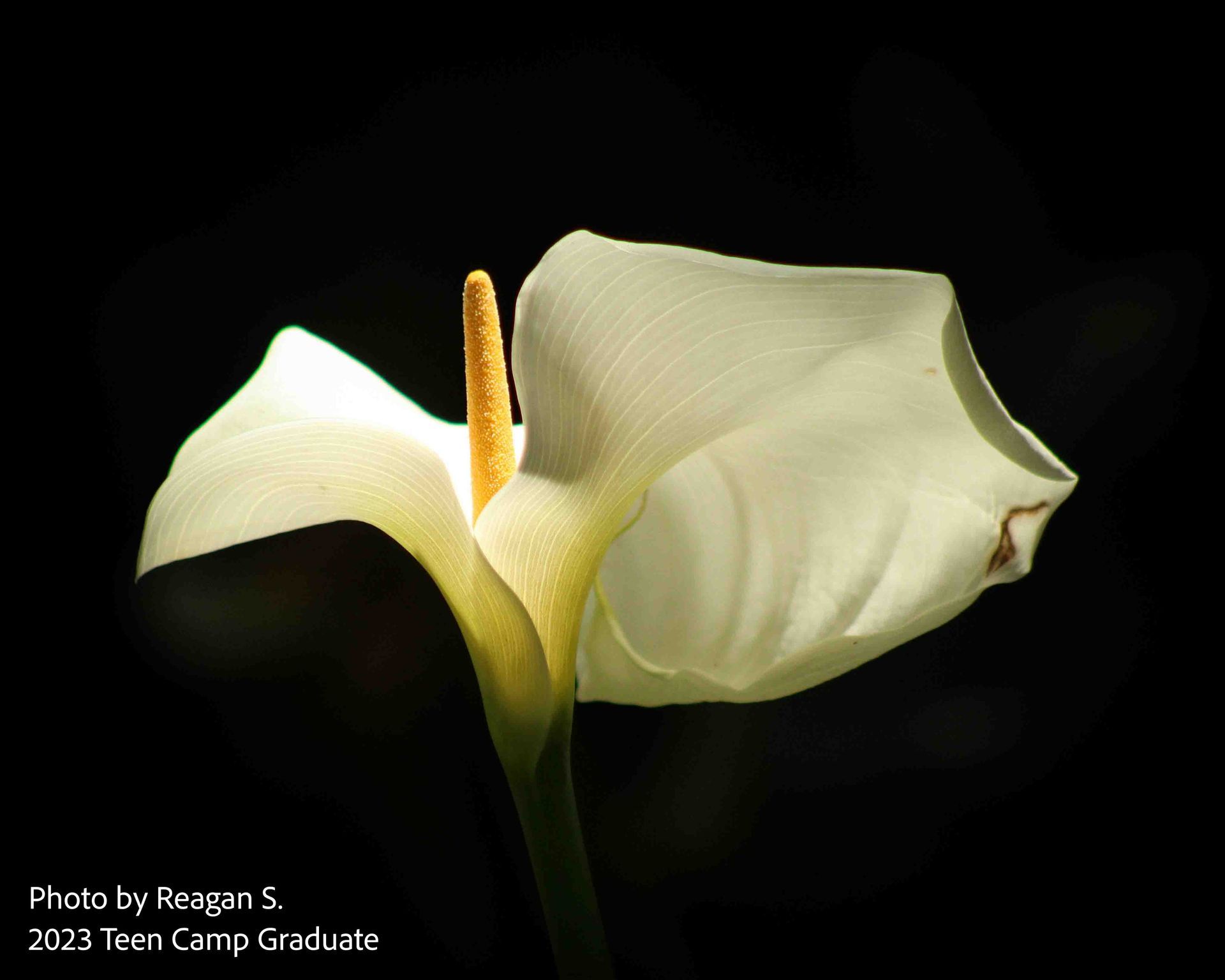
Teen years are a powerful stage of growth — a time when young people are forming identity, building confidence, and learning how to see the world for themselves. Through years of teaching in our teen photography program, we’ve seen how photography becomes much more than a creative hobby. With a camera in hand, teenagers develop awareness, responsibility, and confidence that extend far beyond the frame.
Here are some of the most meaningful ways photography can transform a teen.
1. Cultivating Artistic Vision
Photography teaches teens to slow down and notice the details most people overlook — the quality of light, the emotion in a moment, or the relationship between colors and composition. As they practice, they begin to approach everyday scenes with intention, thoughtfully composing images instead of simply taking snapshots. This growing artistic awareness strengthens creativity and helps them develop their own visual voice.

2. Getting Out into the World
A camera encourages curiosity and exploration, giving teens a meaningful reason to step outside their homes and experience the beauty of the real world. During a hands-on summer photography camp, they move away from screens and engage with real environments — city streets, nature, architecture, and people. Many students who start out quiet or reserved gradually become more observant and confident as they explore new locations and discover beauty in moments they might otherwise overlook.

3. Building Discipline and Responsibility
Learning photography naturally introduces structure. During the Camps, teens learn to take good care of the equipment, recharge batteries the night before and backup the photos to a permanent location, arrive on time for group shoots, and work collaboratively with others. These small habits build responsibility, reliability, and a sense of ownership that often extends far beyond photography.
4. Strengthening Presentation and Communication Skills
Photography is not only about creating images but also about explaining ideas. In the Photo Presentation session, teens learn to talk about their creative decisions, describe what they were trying to express, and listen thoughtfully to others. As they present their photos to peers and instructors, they become more comfortable speaking up and expressing their perspective clearly, which often improves confidence far beyond the classroom.

Insights from Educational Psychology
Photography aligns closely with principles that educational psychologists recognize as essential for healthy adolescent development.
1. Building Confidence Through Mastery
When teens create images they feel proud of, they begin to see themselves as capable and creative. For many students, producing a strong photograph becomes a meaningful success moment that reshapes how they view their own abilities. This sense of accomplishment builds confidence that often spills into academics and other areas of life.
2. Developing a Growth Mindset
Photography provides immediate feedback — images can be too dark, out of focus, or poorly timed — but teens quickly learn that these are simply steps toward improvement. By adjusting camera settings and trying again, they experience firsthand that skill comes from effort and practice. Over time, they learn to embrace challenges instead of avoiding them.
3. Supporting Identity and Self-Expression
Adolescence is a period of self-discovery, and photography offers a safe, creative outlet for expressing thoughts and emotions that may be difficult to communicate verbally. Many teens naturally begin creating images that reflect their personality, interests, and perspective, allowing them to explore identity in a meaningful and constructive way.


4. Improving Focus and Attention
Capturing a strong image requires patience and concentration. Teens learn to observe a scene carefully, wait for the right moment, and stay mentally present — a valuable skill in an age of constant digital distraction. This focused attention strengthens cognitive control and mindfulness.
5. Strengthening Visual-Spatial Thinking
Composing photographs trains the brain to understand space, balance, and relationships between objects. As teens adjust angles, position subjects, and frame scenes, they are actively developing visual-spatial reasoning skills that support creativity, problem-solving, and analytical thinking.
6. Supporting Emotional Well-Being
Creative activities like photography can calm the nervous system and provide a healthy way to process emotions. Many teens report feeling more relaxed and grounded when they are focused on photographing nature, light, or meaningful moments. The act of slowing down and observing helps create a sense of calm and emotional balance.
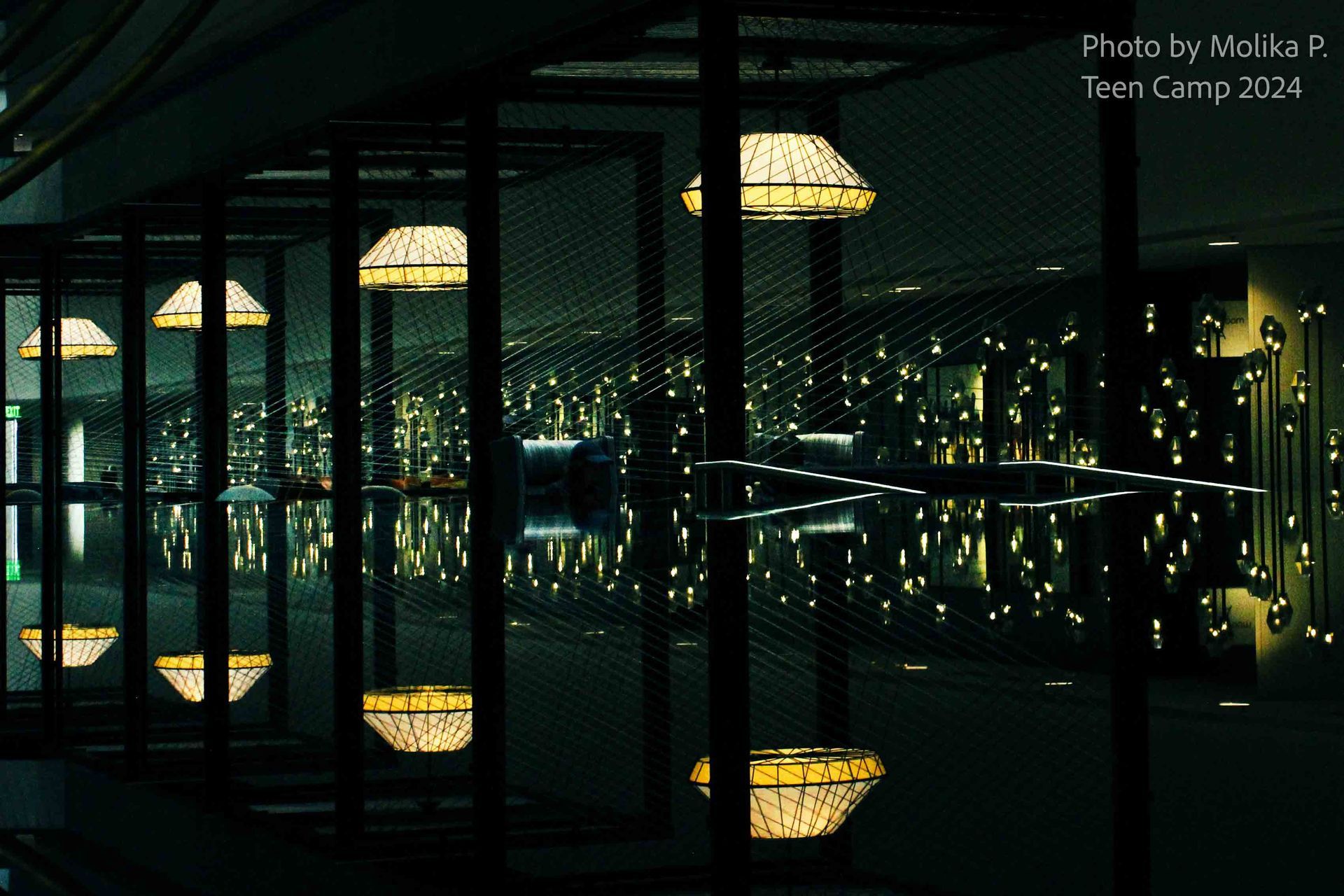
More Than a Photography Class
A well-designed teen summer photography camp does more than teach camera skills. It helps young people become more observant, responsible, expressive, and confident — all while discovering the joy of creativity and real-world exploration.
Through hands-on experiences, guided instruction, and supportive peers, teens learn not only how to take better photos, but also how to see the world — and themselves — in a new way.